A Photographic Safari in Botswana
There are few places in Africa that offer the combination of wildlife, landscapes and photographic opportunity that you find in Mashatu.
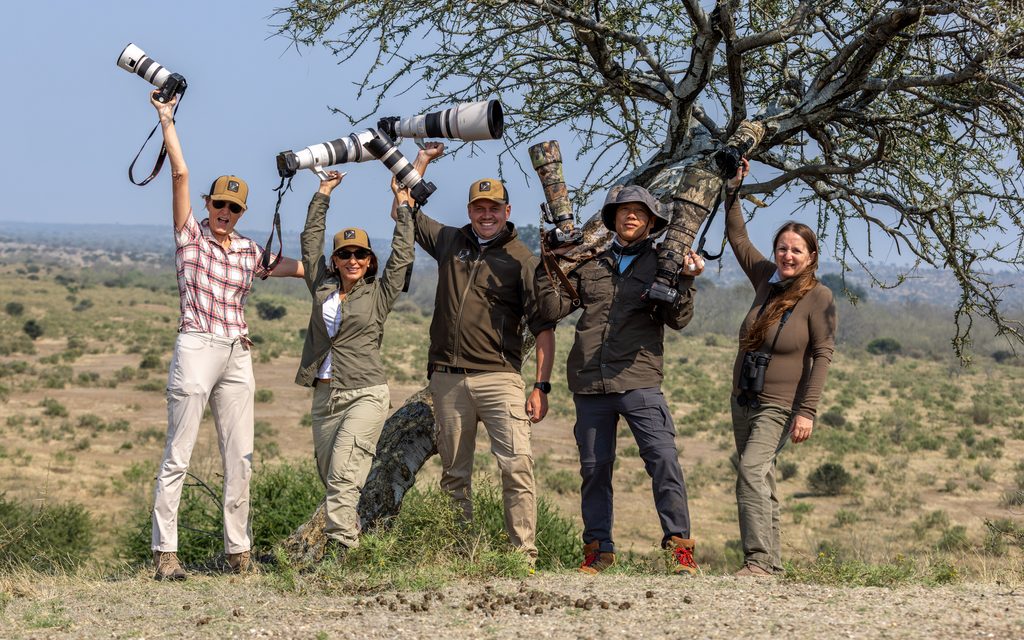
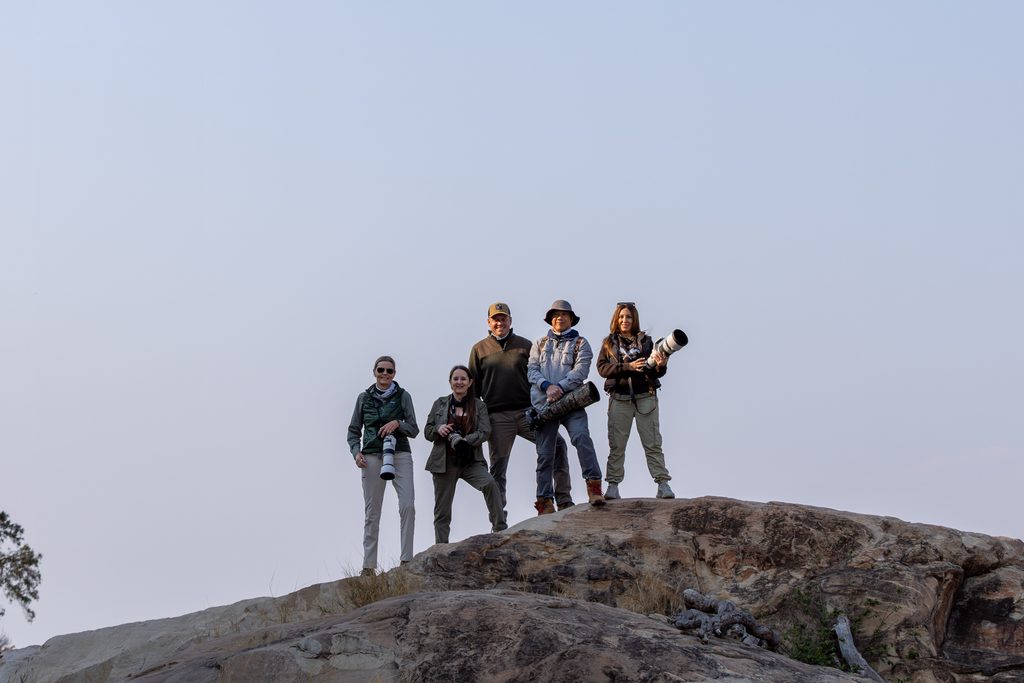
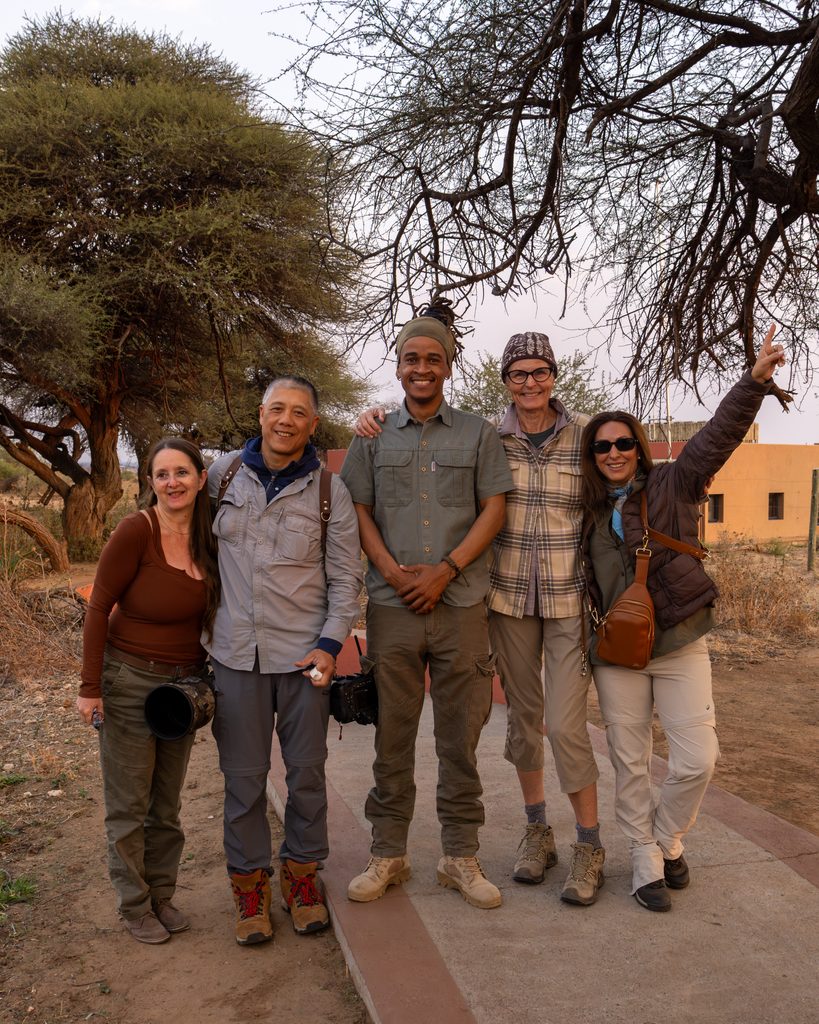
In September, I returned to Mashatu in Botswana to host another exclusive group photographic safari, this time with four guests. Alan and Daniela were familiar faces, having previously travelled with me to Mana Pools, while Kim and Cindy were joining me for the first time.
From the moment we met at Lanseria Airport in Johannesburg, it was clear that we were going to have a great safari.
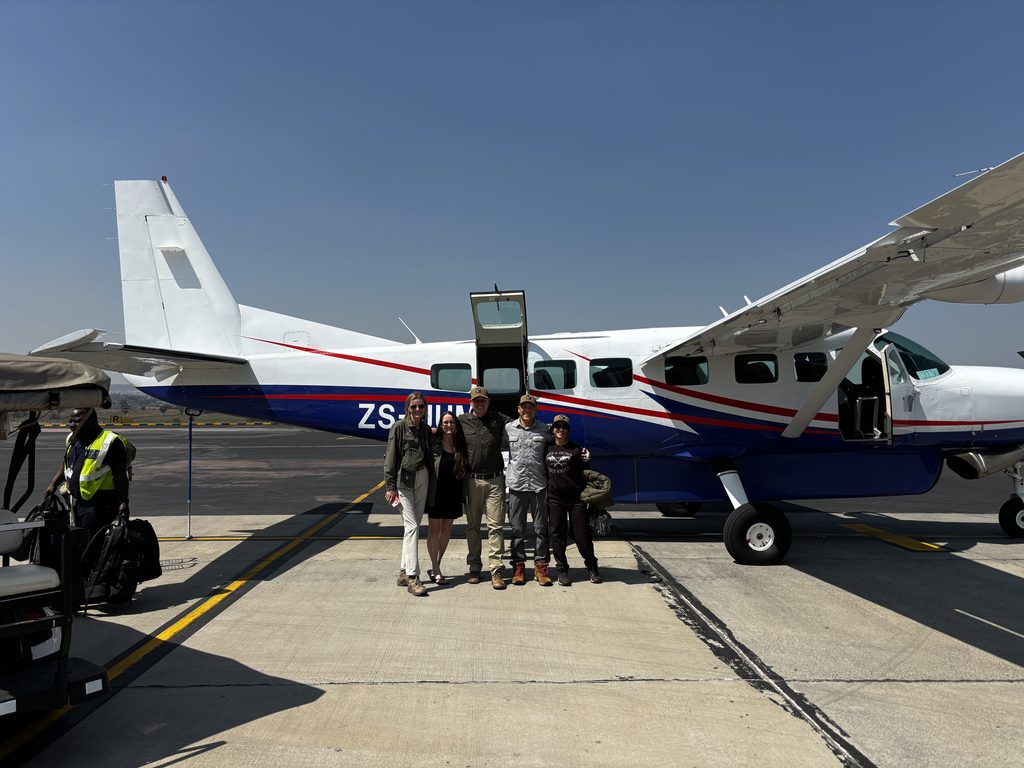
After a short flight north, we landed at Limpopo Valley Airfield, the international gateway into Mashatu. Within minutes of arriving in Botswana, the safari had already begun. A large herd of elephants was gathered around a muddy waterhole, drinking and playing after recent rain.
It was quite an introduction.
Lions, stars and the first evening
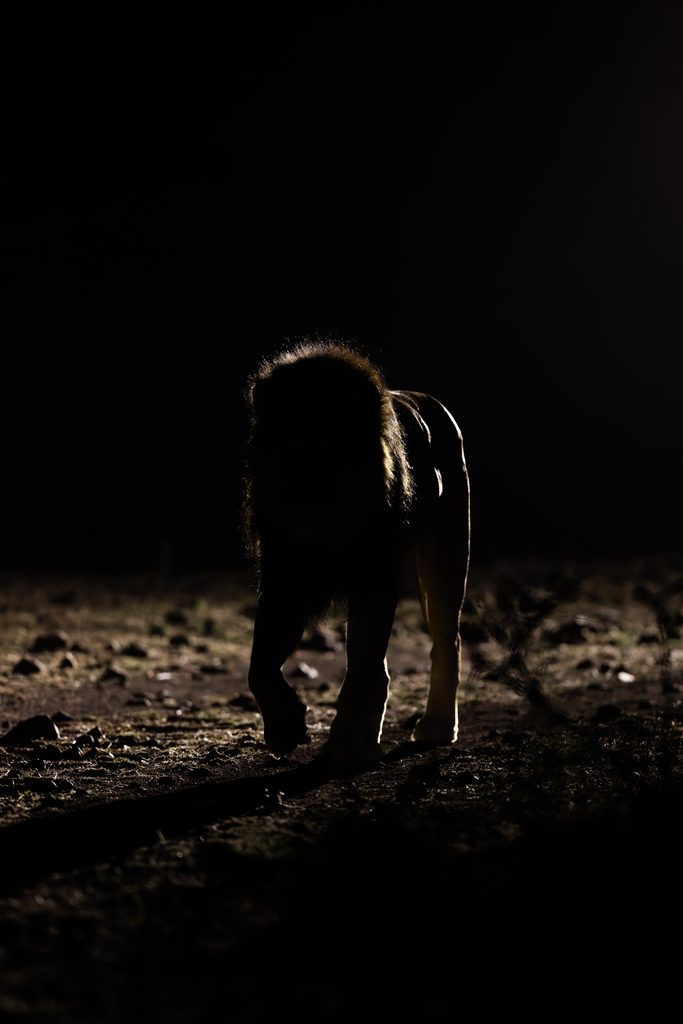
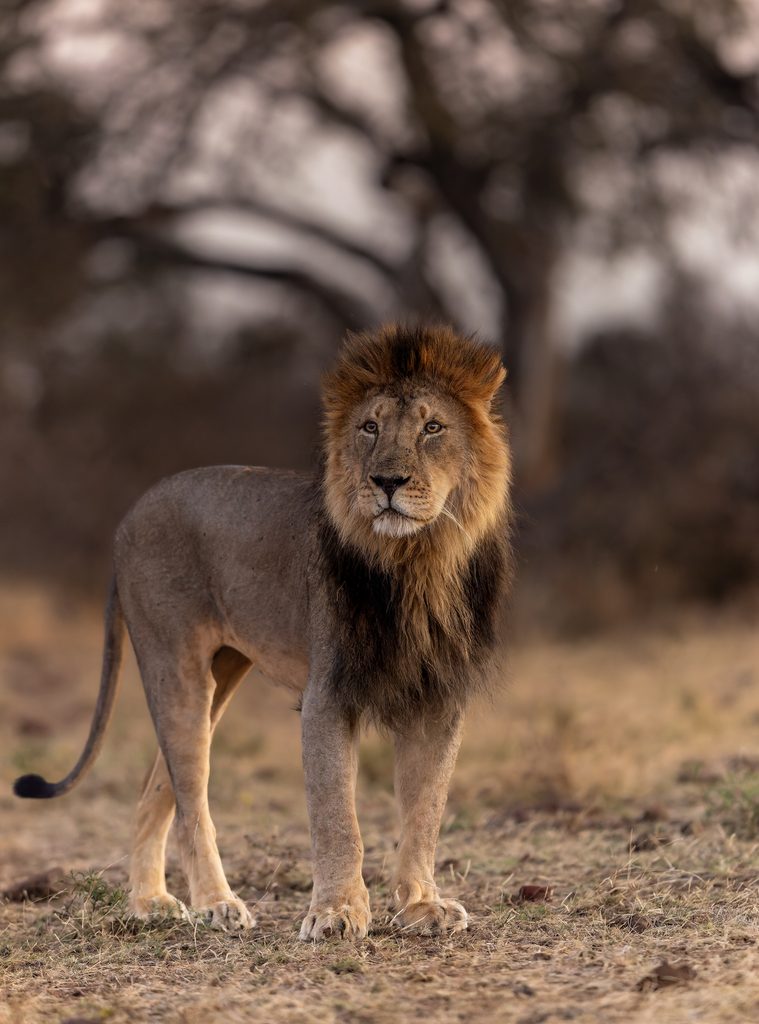
Our first afternoon was spent searching for lions and leopards. We eventually found a lioness with one of the reserve’s dominant males, giving us some fantastic opportunities as they interacted in the fading afternoon light.
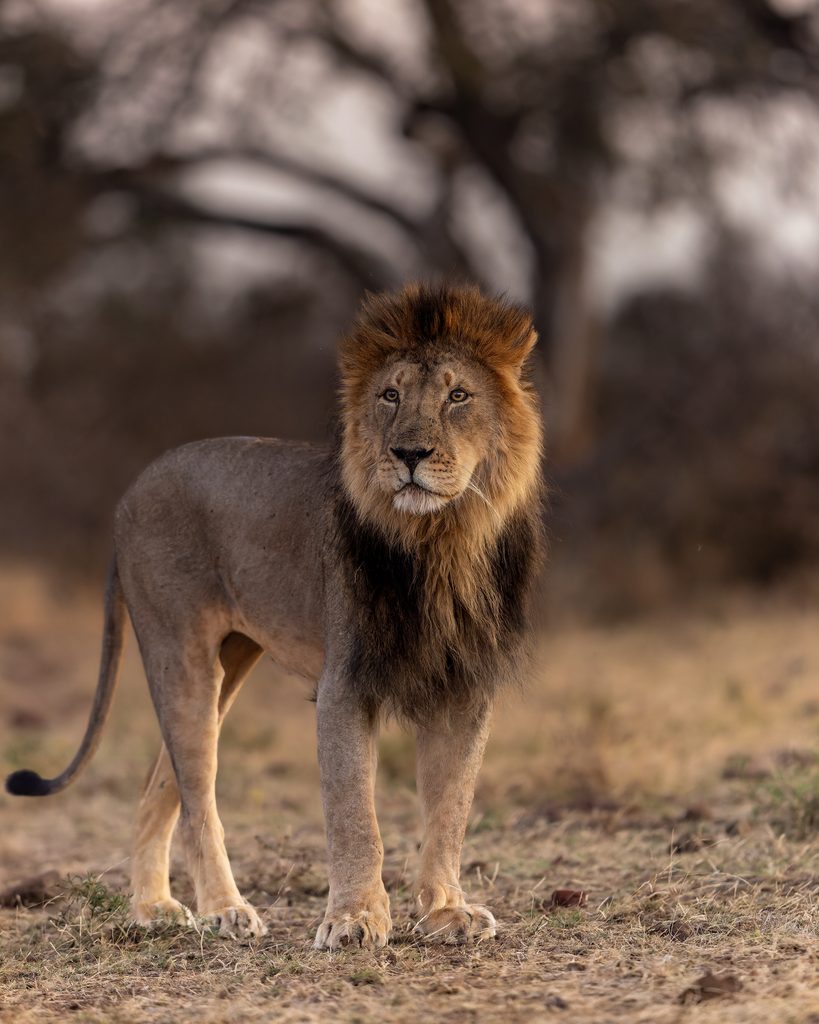
We followed the male as he moved onto one of Mashatu’s iconic rolling hills, where he settled beneath a Boscia tree.
Then he started roaring.
We sat quietly, just a few metres away, listening to his calls roll across the landscape.
As darkness settled in, I noticed the clear night sky above us and realised there was an opportunity to try something different.
We positioned the vehicle as steadily as possible and began experimenting with long-exposure photography, combining the lion, the Boscia tree and the stars above.
It was a technically challenging photograph, but everyone had a go. Some excellent images came out of the experiment, and even a few of the guests’ iPhone photographs were surprisingly impressive.
For me, this is an important part of a photographic safari. It isn’t always about waiting for the perfect photograph to present itself. Sometimes you have to recognise an opportunity and try something completely different.
Leopards and elephants
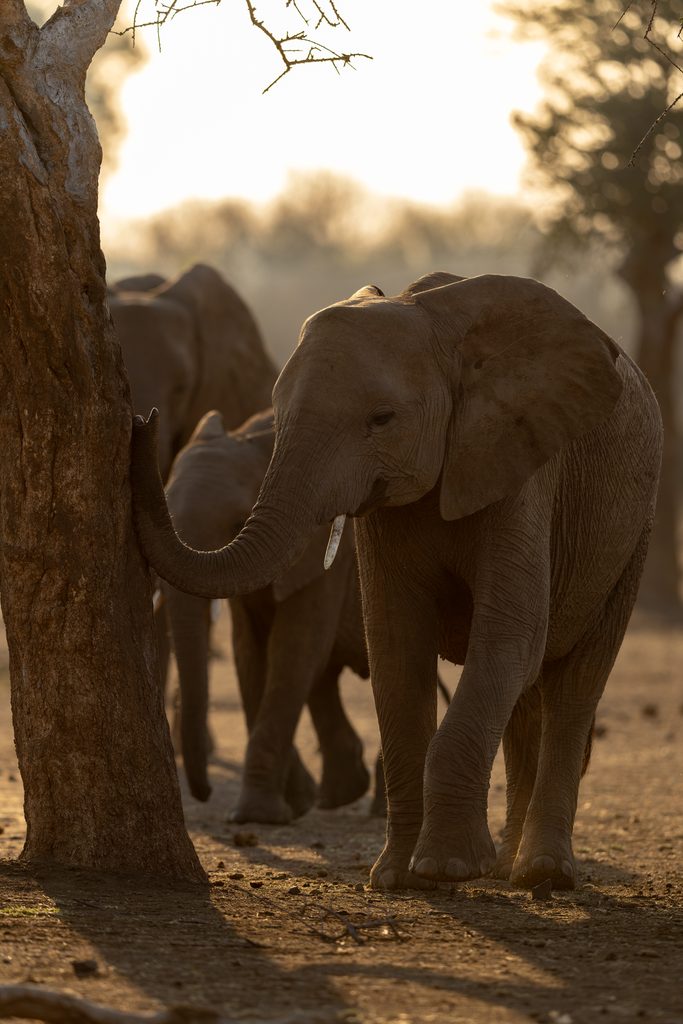
The following morning started with elephants.
A large herd was moving across Mashatu’s vast open floodplains in beautiful golden light. They walked directly towards us before passing the vehicle, creating the kind of clean, environmental photographs that this landscape allows you to create so well.
Then came the call we had been hoping for.
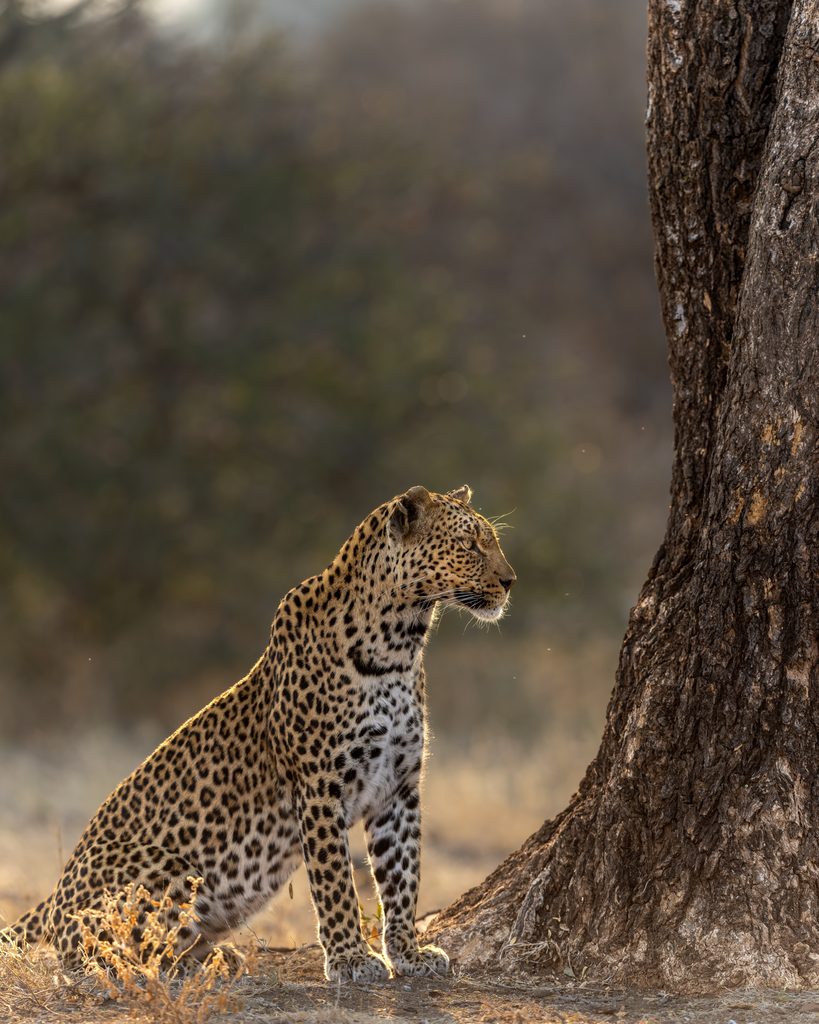
A female leopard and her sub-adult had been located.
We spent around an hour and a half with them as the youngster played with its mother around a small drainage line. There was almost constant movement: climbing, jumping, chasing and interacting with one another.
It was one of those sightings where the photographic opportunities just kept coming.
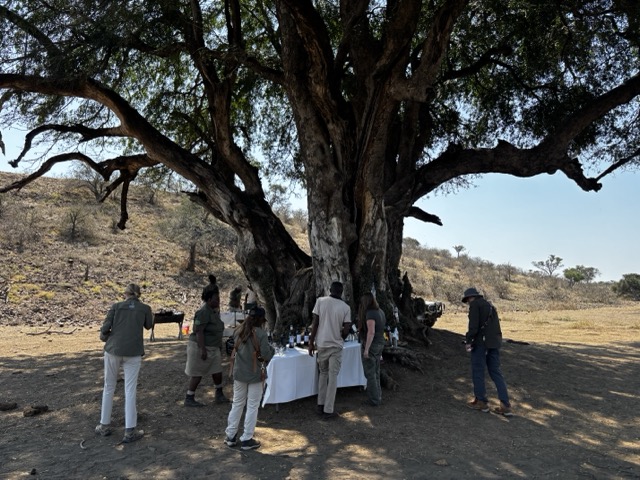
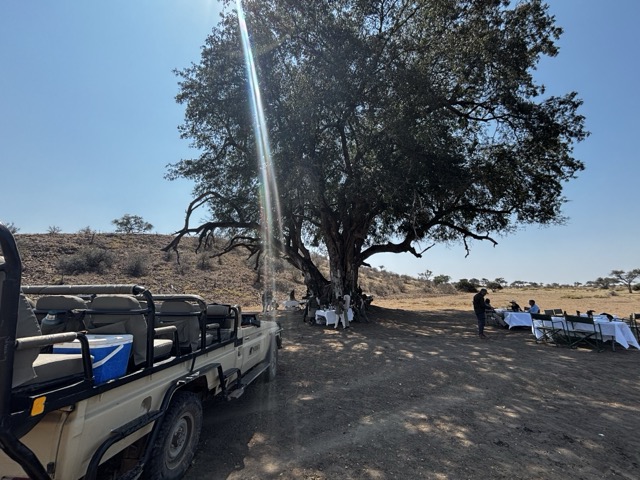
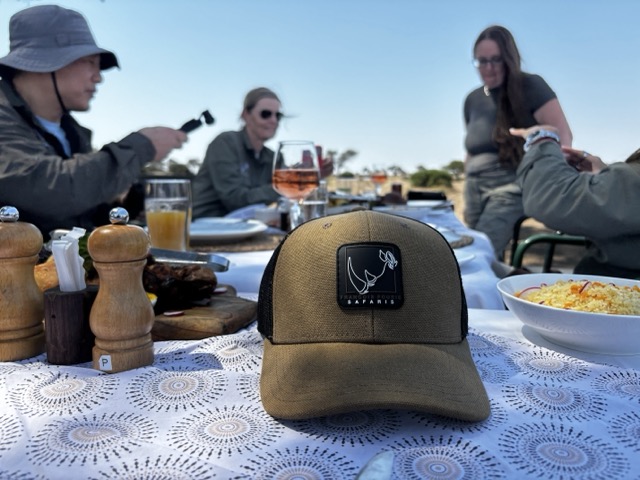
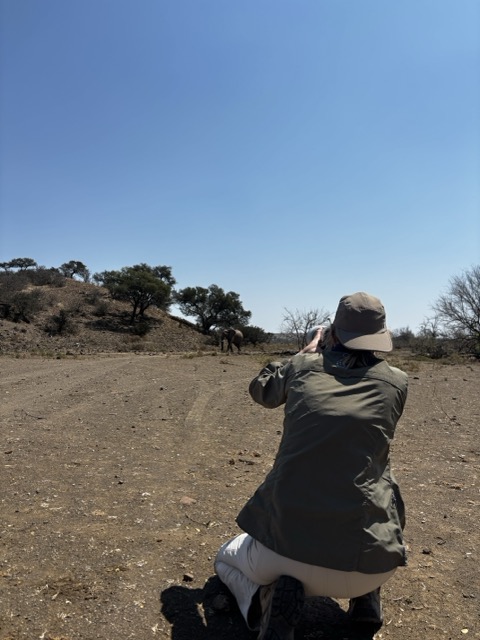
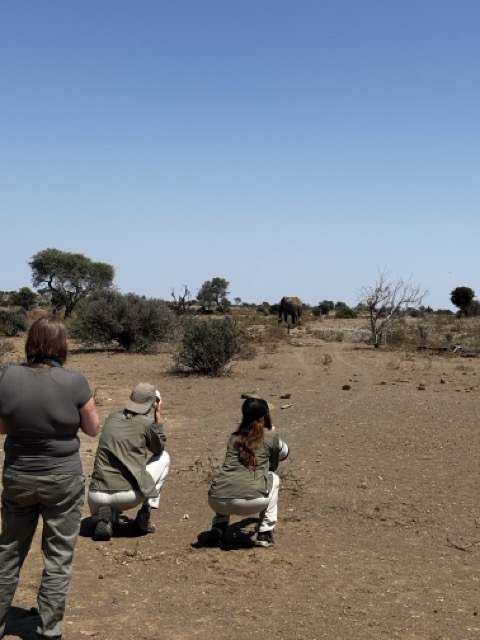
Later that morning, we enjoyed a bush breakfast beneath a huge Mashatu tree. An elephant bull then approached, giving us the opportunity to safely get out on foot with the guides and photograph him as he moved past.
Those moments away from the vehicle are always special. They change your perspective and remind you that a safari is about far more than simply viewing animals from a game drive vehicle
A reserve built for photographers
Over the next few days, Mashatu continued to deliver.
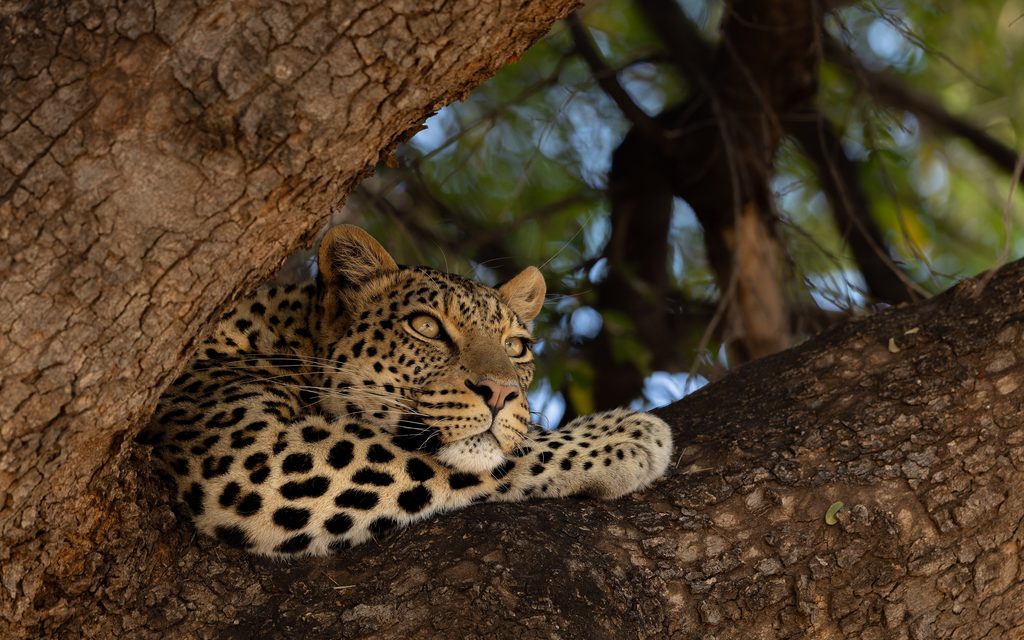
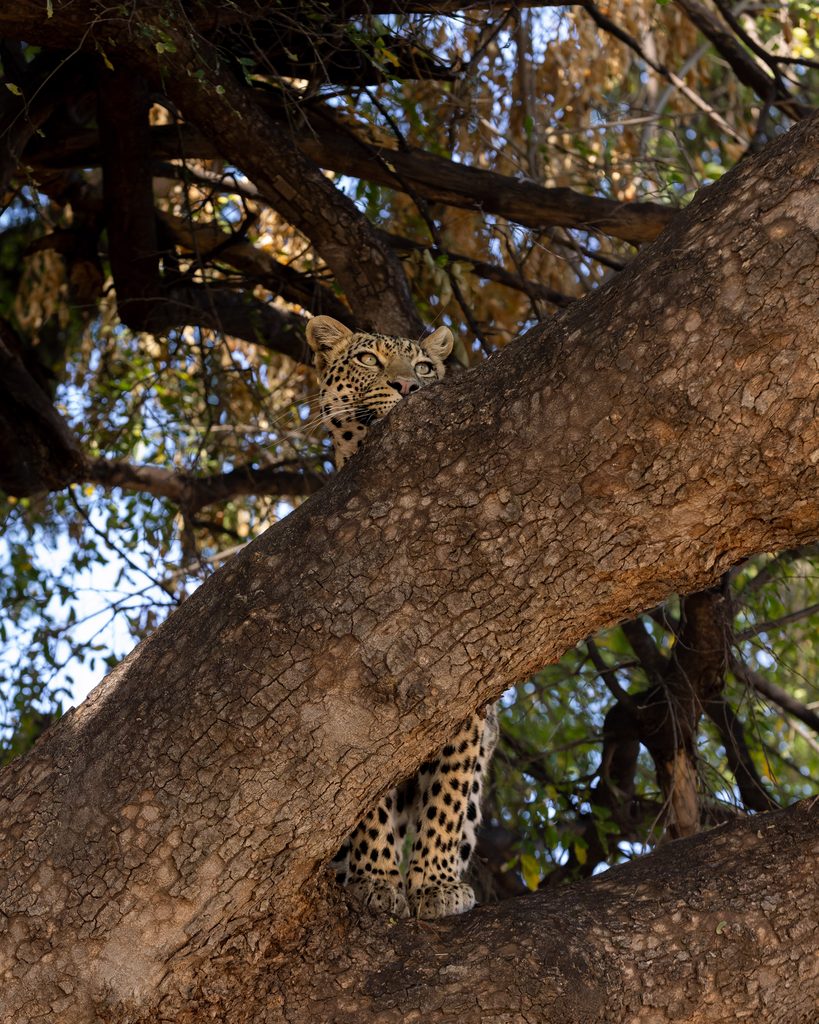
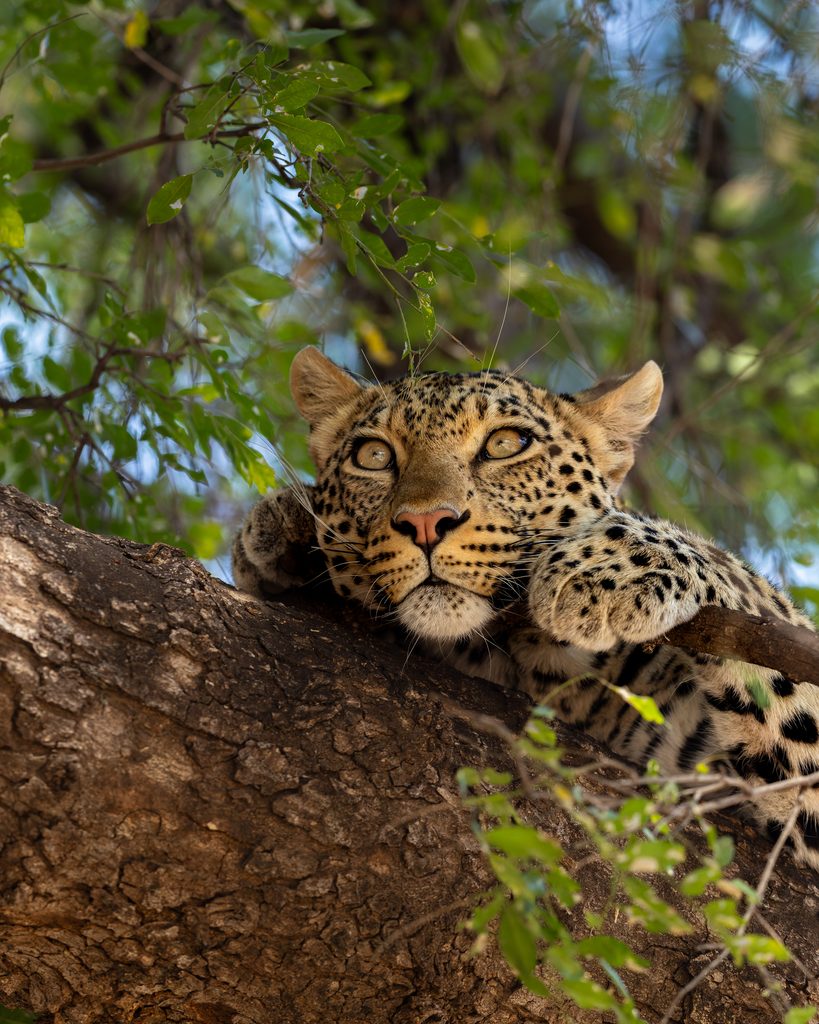
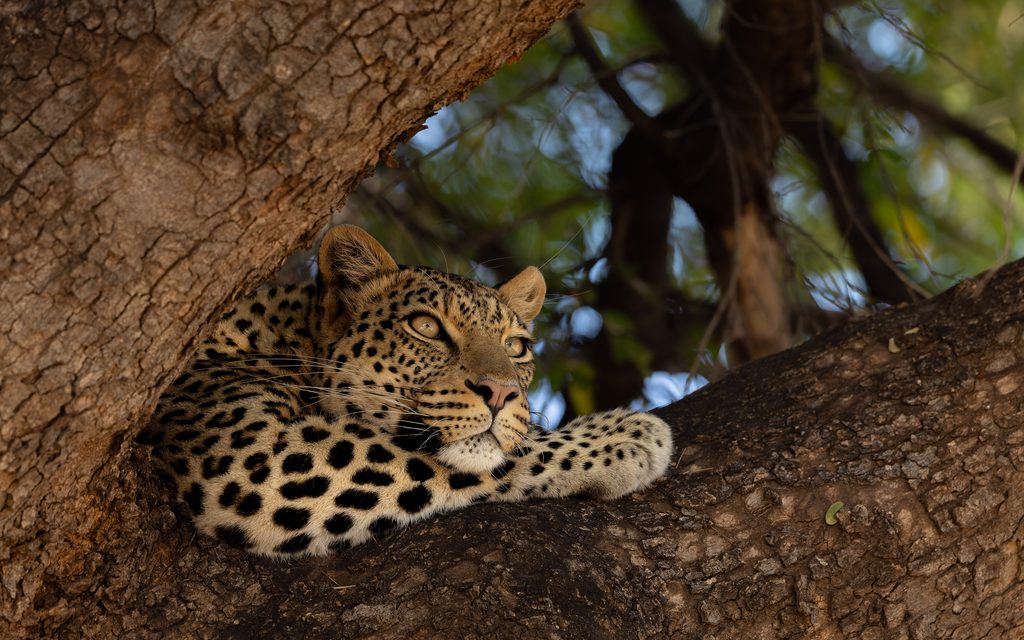
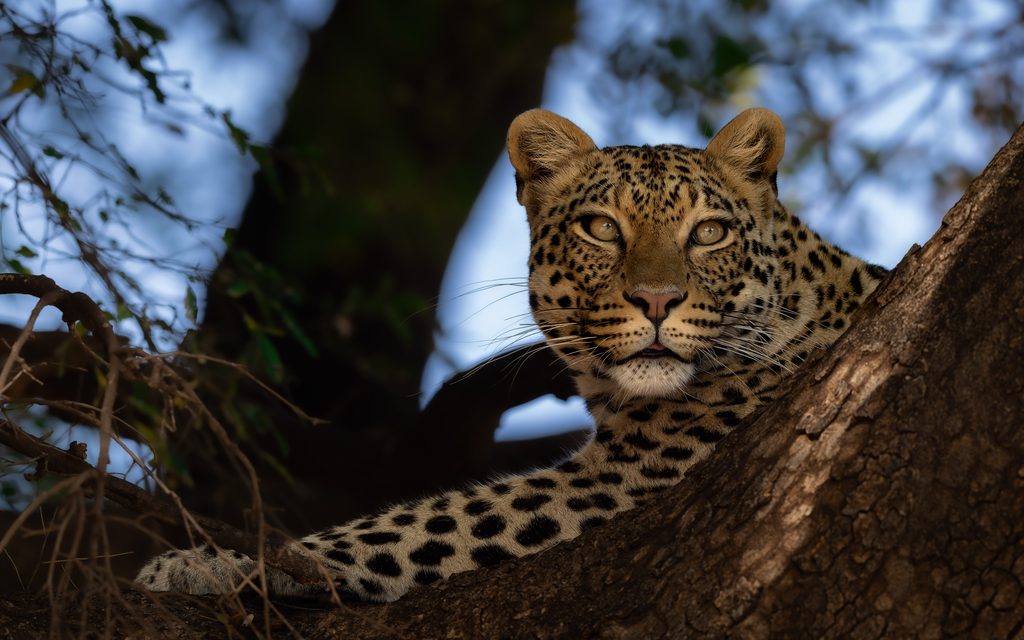
We photographed lions in beautiful morning light, watched leopards resting high in the enormous Mashatu trees and explored areas of the reserve where the landscape changes dramatically into sandstone formations, rocky outcrops and river systems.
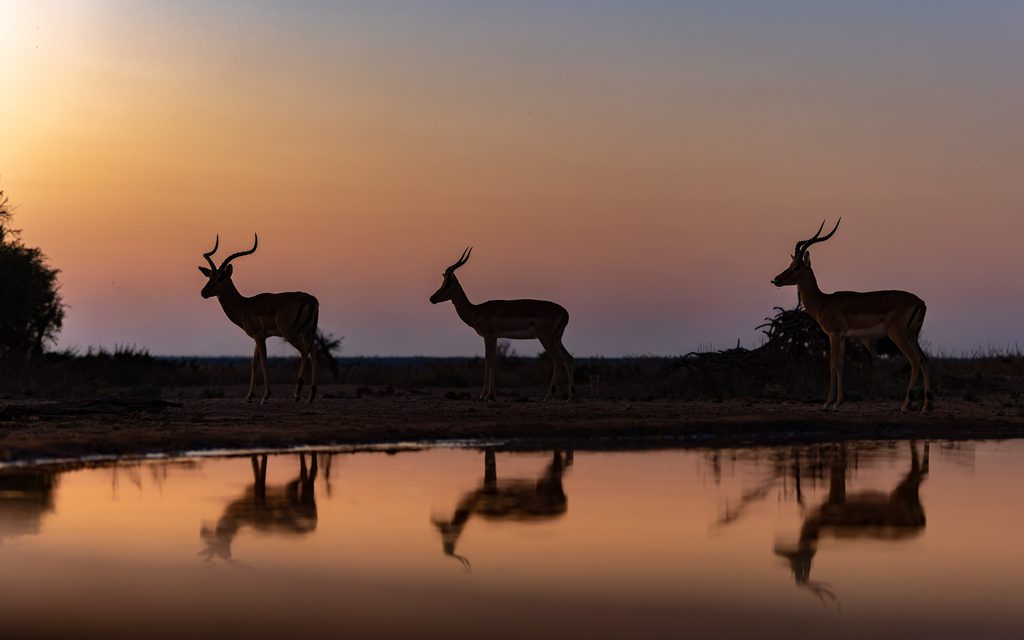
One female leopard gave us an especially interesting opportunity. She was resting in a Mashatu tree while a herd of impala gathered below.
We waited, hoping she might make a move.
In Mashatu, leopards have become adept at hunting from these elevated positions, and there was always the possibility that she might launch herself from the tree.
She never did.
But that is wildlife photography.
Sometimes the anticipation is as valuable as the action.
And the variety of the environment is one of the reasons I keep returning to Mashatu. You aren’t simply photographing wildlife. You are photographing wildlife within a landscape, and that landscape constantly gives you different opportunities.

Two nights in the hide
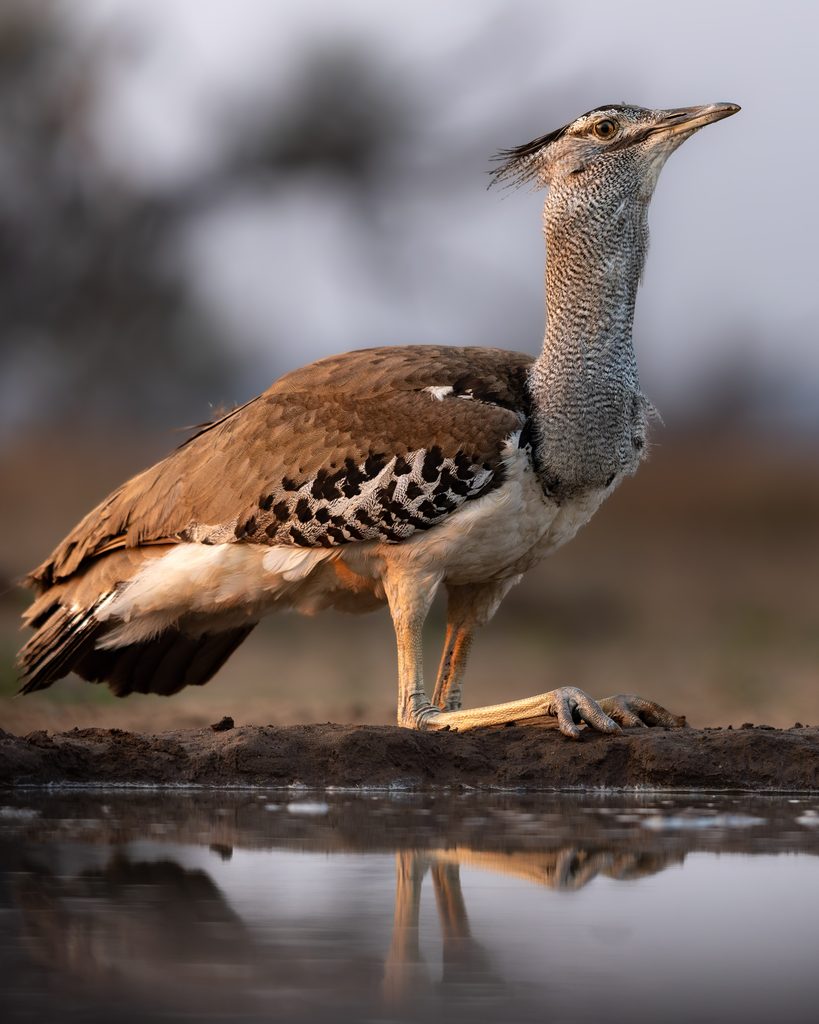
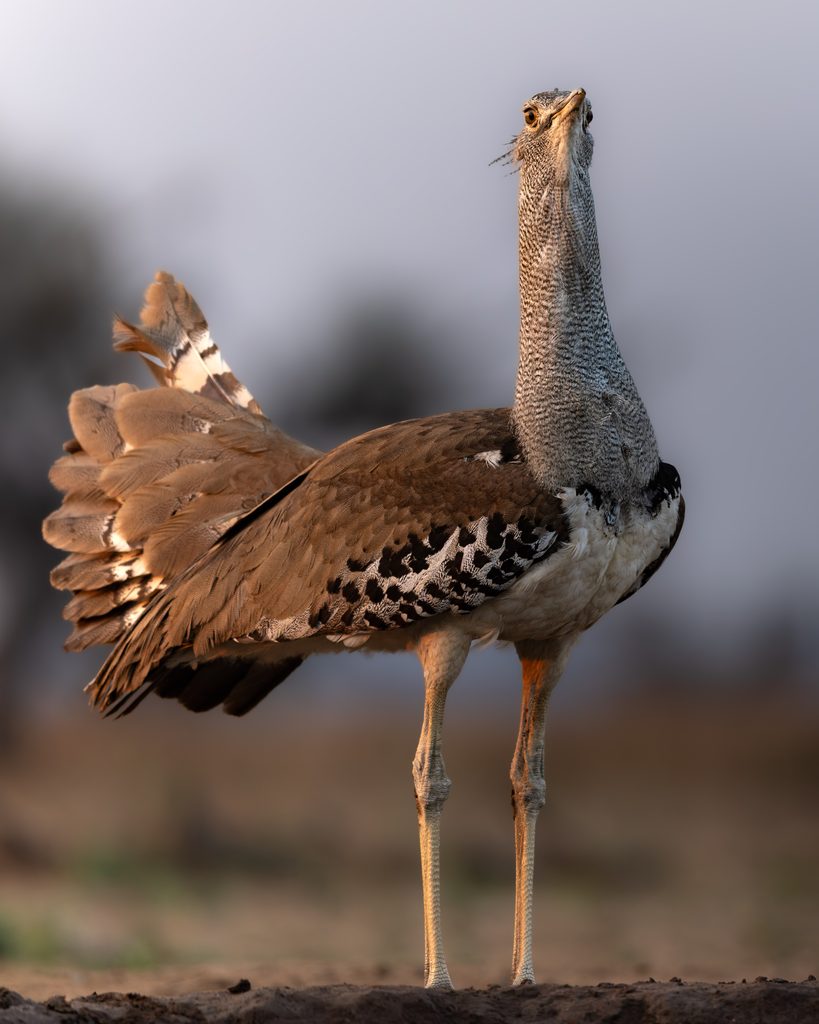
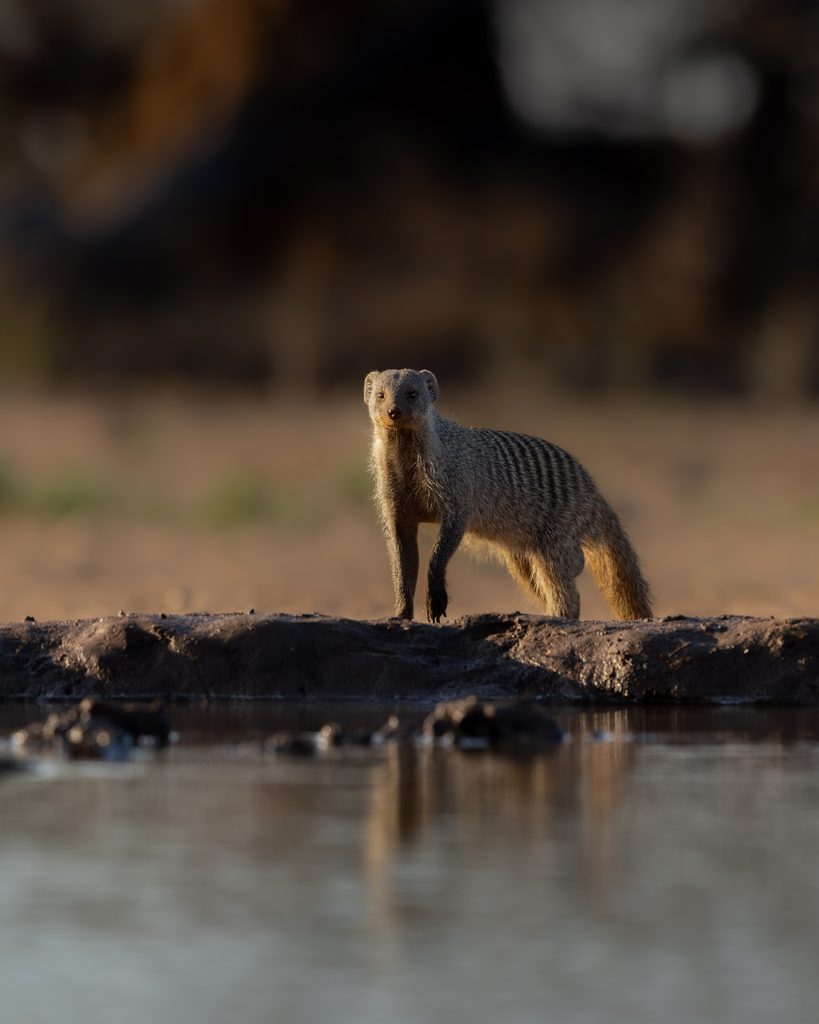
One of the highlights of the safari was our time in the Looloempopo overnight photographic hide.
For everyone in the group, it was a new experience.
The first night was about getting comfortable with the hide, understanding the light and learning how to photograph animals after dark.
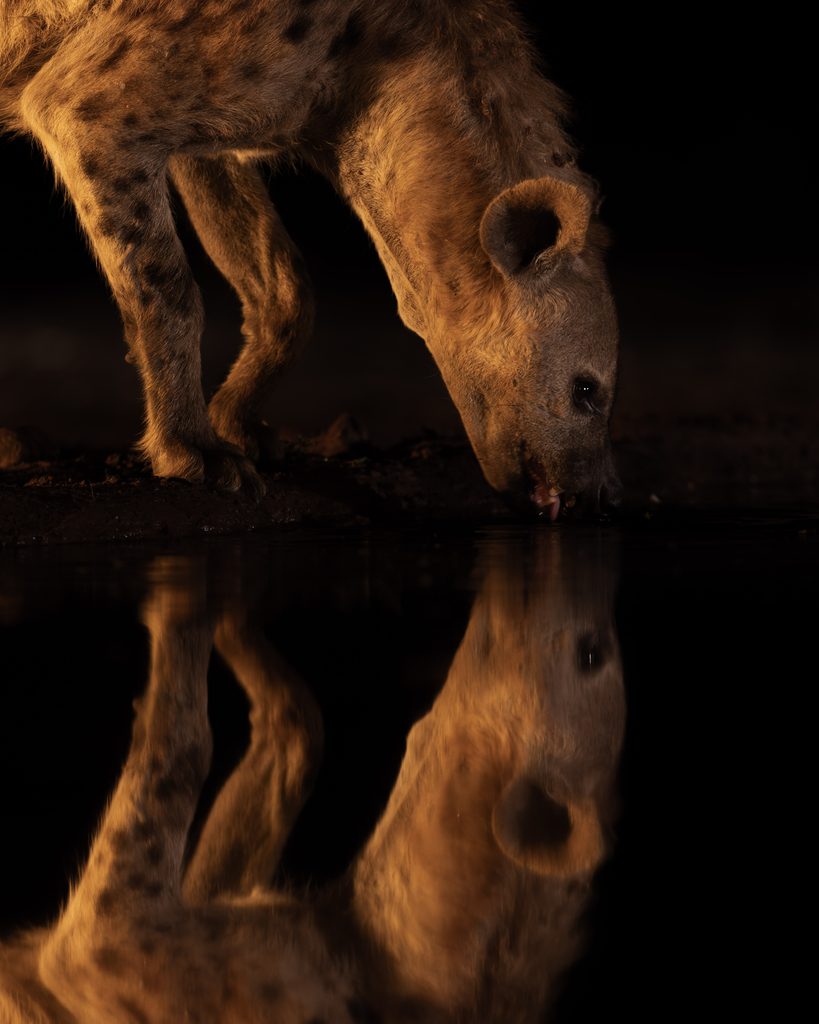
Elephants came and went. Jackals appeared. Wildebeest moved through. And hyenas made brief appearances.
Then, on our second night, everything came together.
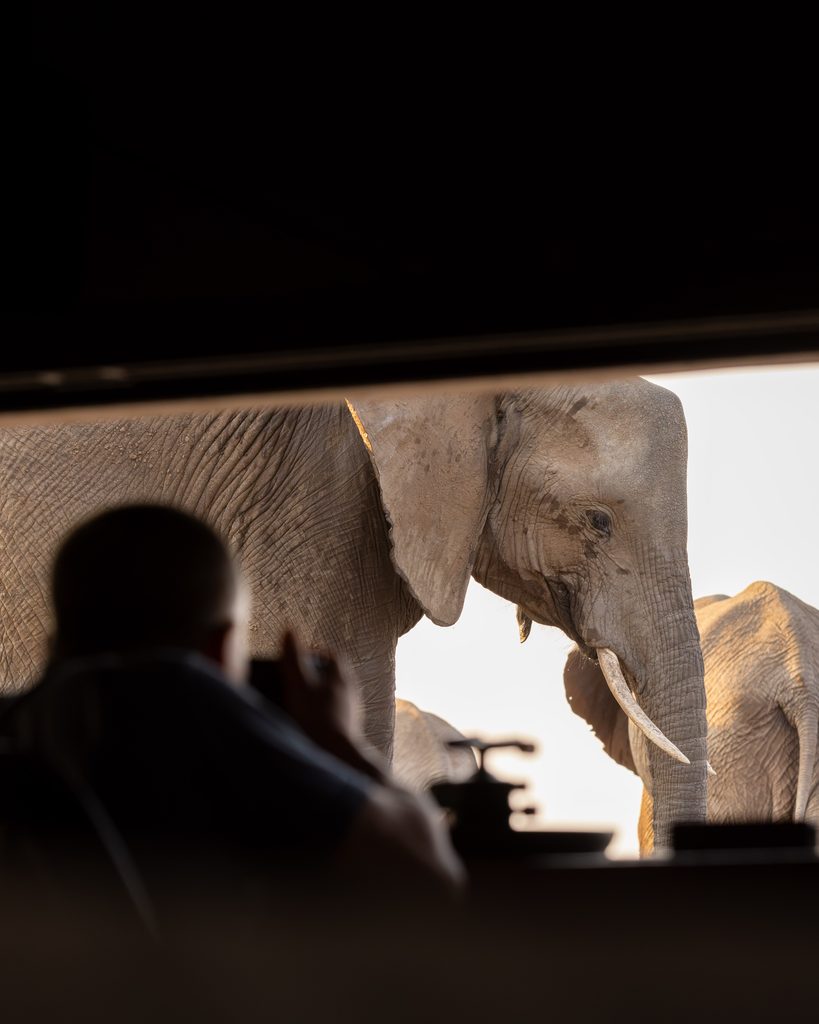
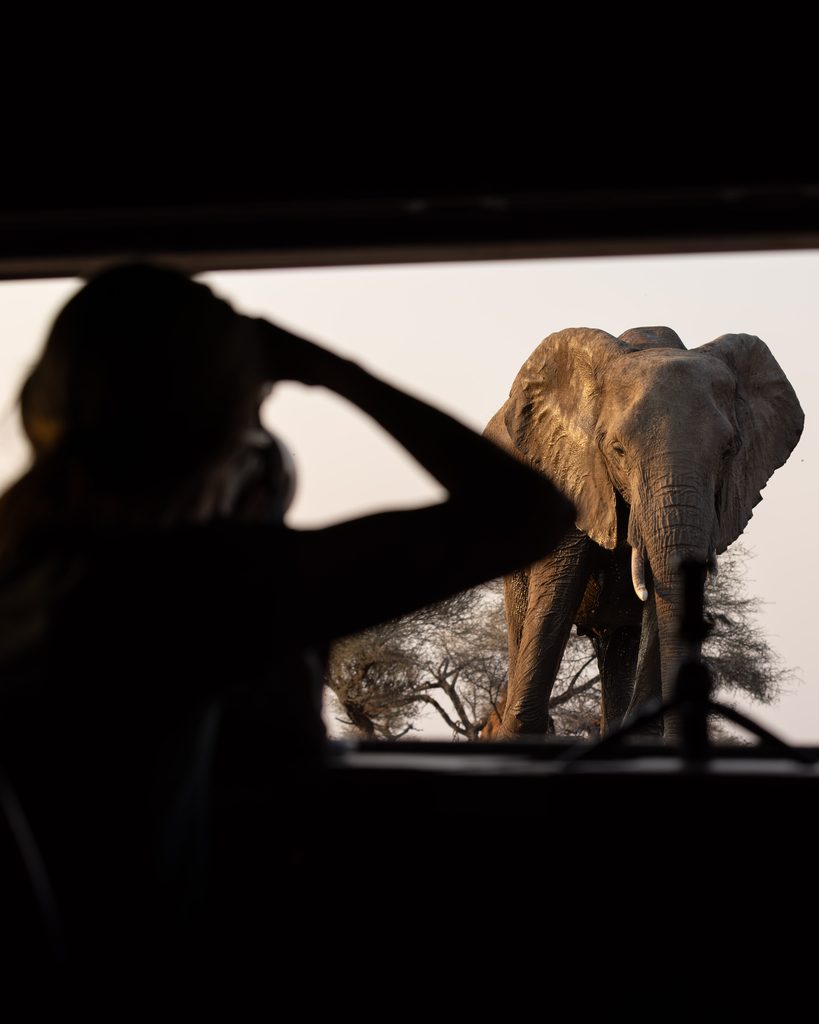
Just before sunset, a herd of around 40 to 50 elephants arrived at the waterhole in front of the hide.
It was an extraordinary sight.
The guests captured some incredible photographs, but this was also one of those moments where the cameras occasionally had to be put down.
Some experiences simply need to be watched.
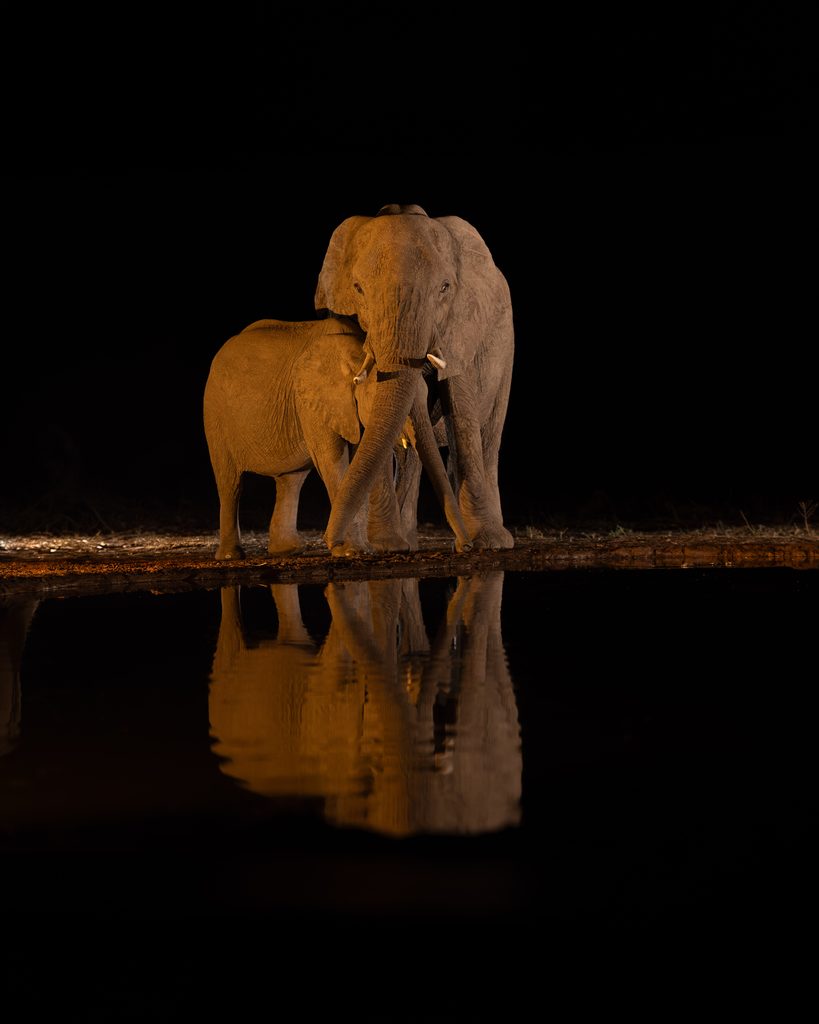
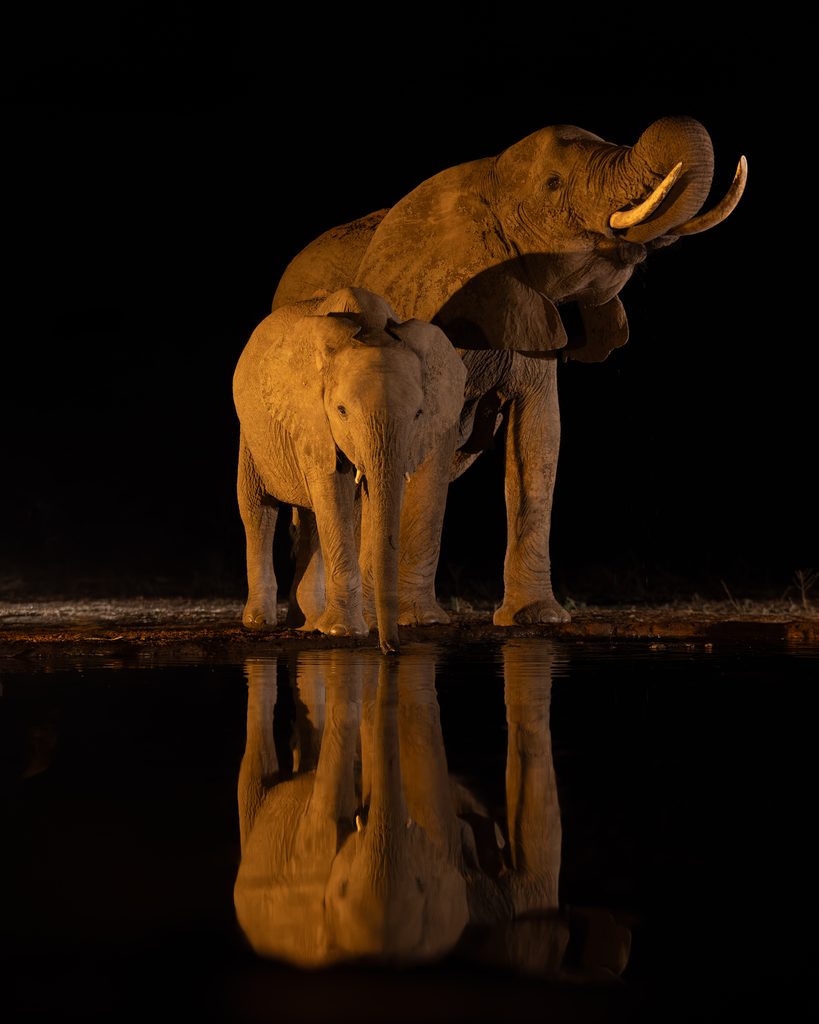
As darkness fell, the elephants continued coming and going.
And they kept coming.
Throughout the night we had elephants moving through the waterhole, along with jackals, wildebeest and hyenas.
At one point, we even watched hyenas swimming through the water directly in front of the hide.
From roughly 7pm until 4am there was almost constant activity, with the group taking turns to sleep.
By the end of the night, we estimated that close to 120 elephants had passed through the waterhole.
It was one of the most memorable photographic experiences of the trip.
One last surprise
Our final evening produced another unexpected moment.
We found a female leopard moving through the reserve and stayed with her for around an hour.
Then she spotted a monitor lizard moving down from a tree.
Within seconds, she had made her move.
The hunt was completely opportunistic, but we were fortunate enough to witness it from start to finish before leaving her to feed.
It was the perfect reminder that you never really know what is going to happen on a game drive.
The perfect ending
On our final morning, we still had one last objective.
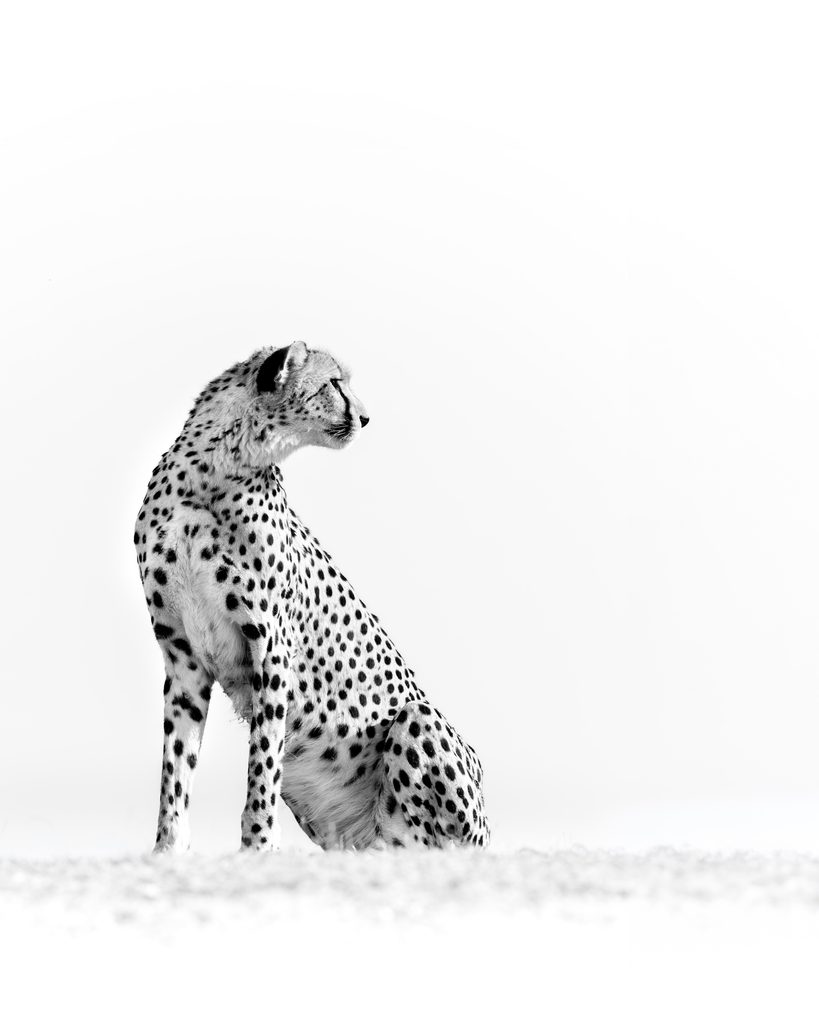
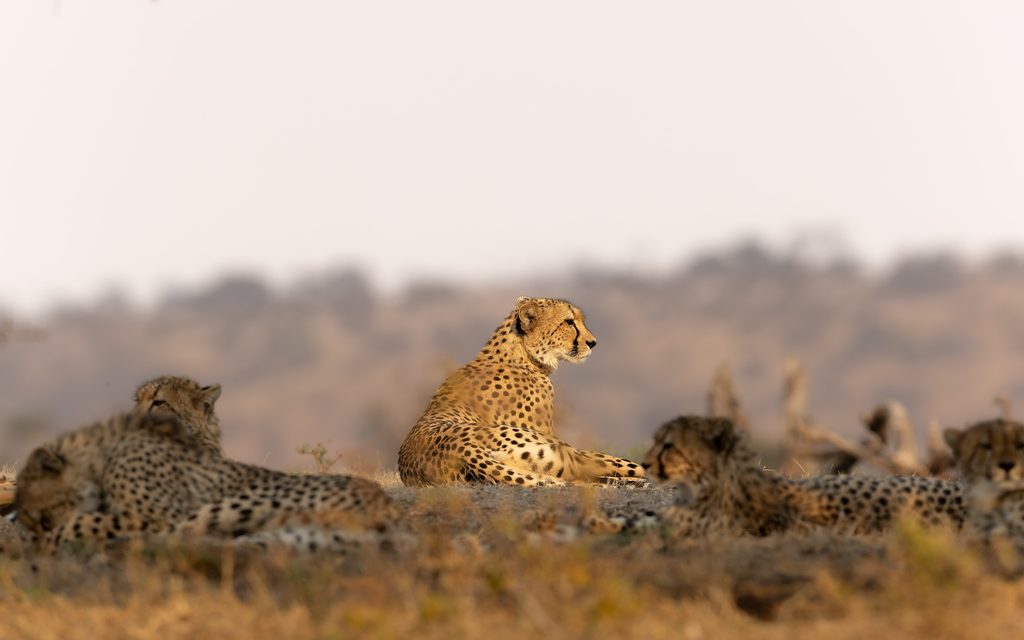
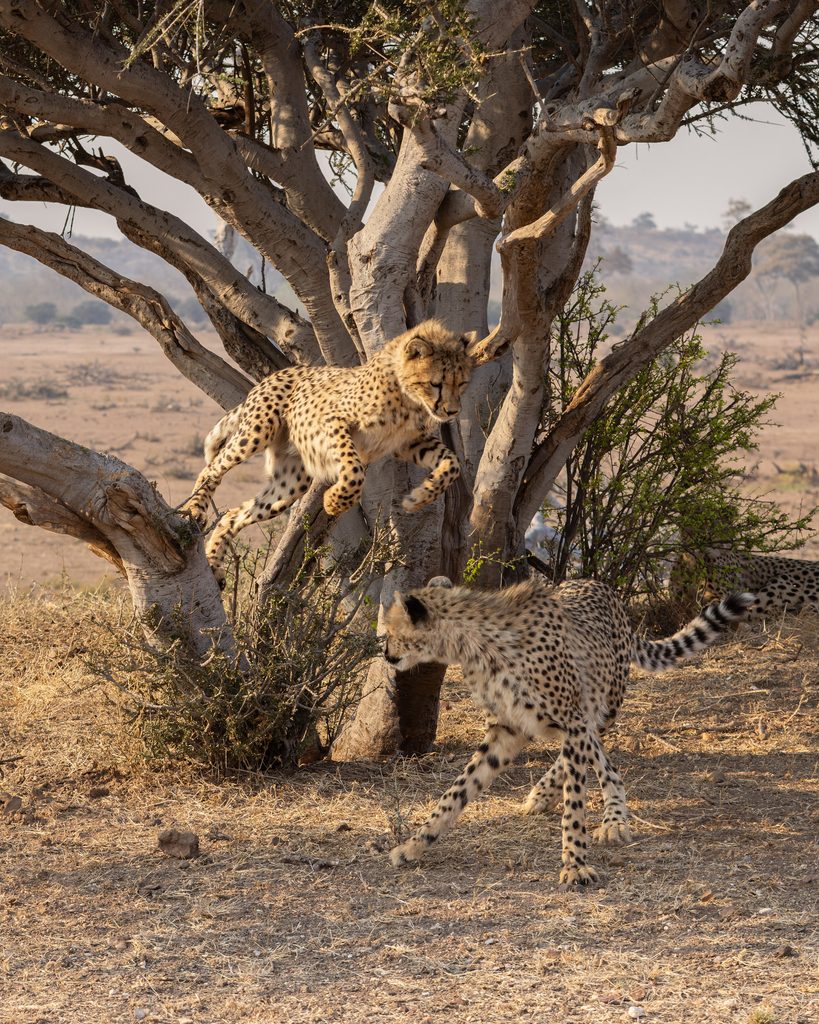
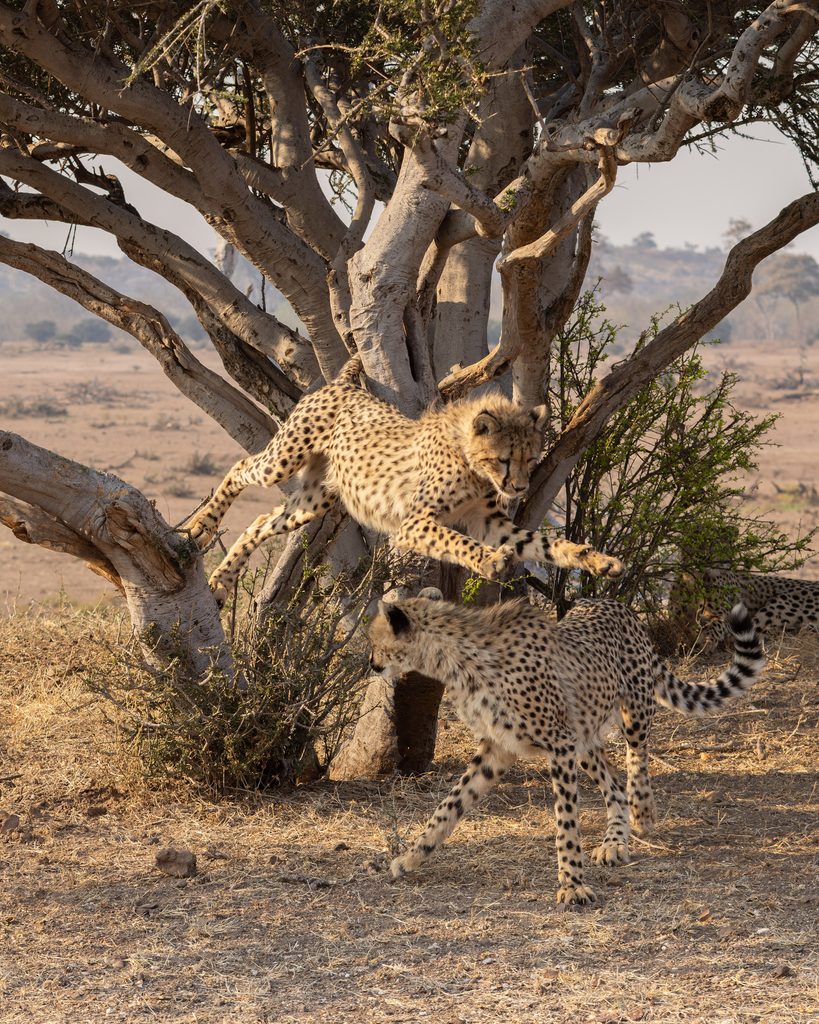
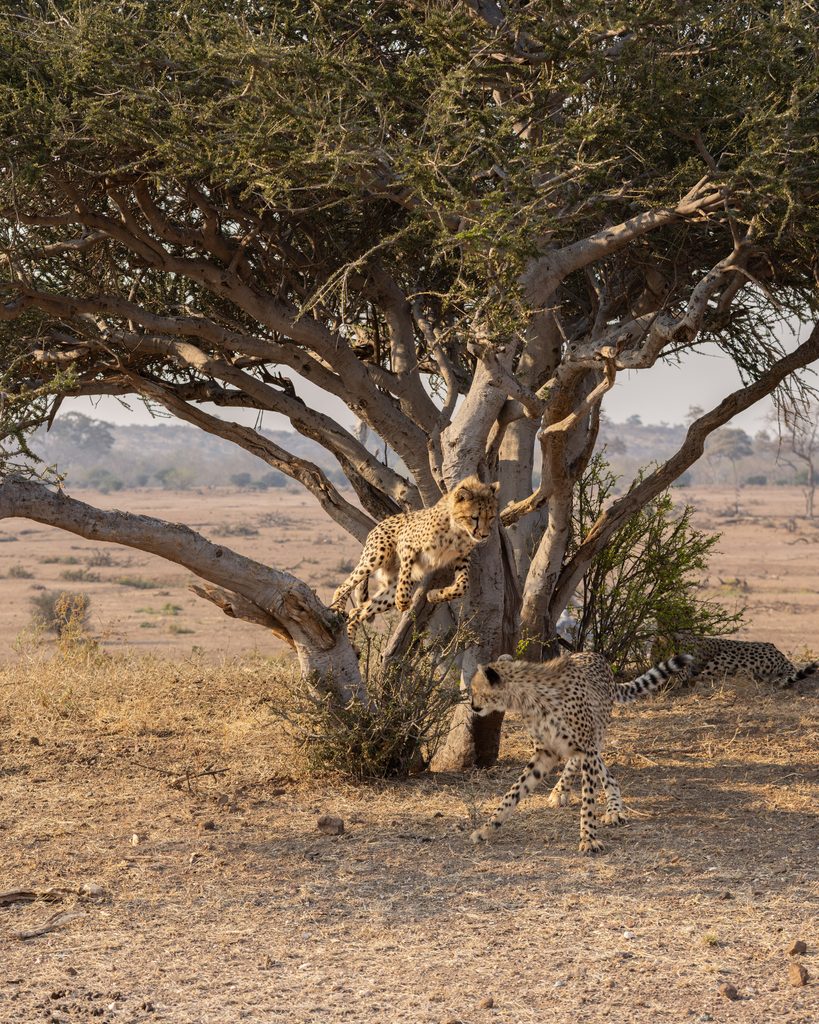
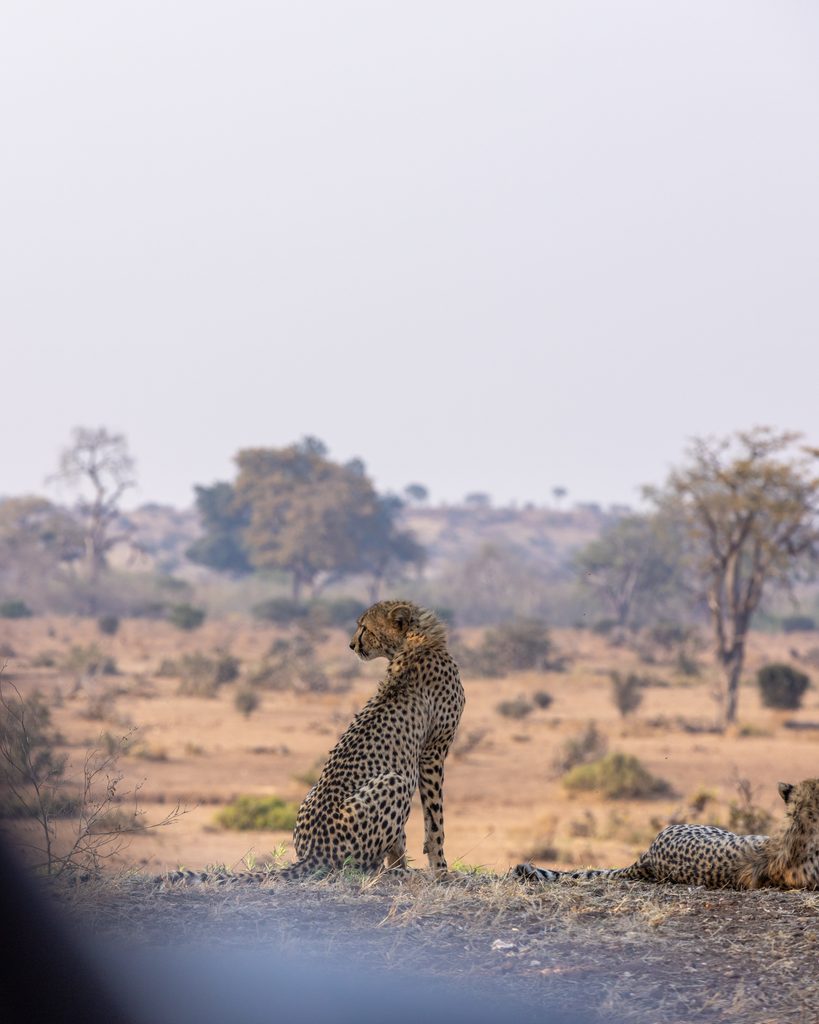
For three days we had been searching for a female cheetah and her four sub-adult cubs. They had not been seen for about a week, and we were beginning to wonder whether we would ever find them. Then the call came through.The female cheetah had been located. We headed straight there and there they were.
A female cheetah with her four sub-adults stood on top of one of Mashatu’s rolling hills, overlooking the floodplains below.
The youngsters were running and playing around their mother while she scanned the open landscape, constantly looking for potential prey.
We spent around an hour with them before finally turning back towards camp.
It was the perfect way to end the safari.
Why I Keep Coming Back to Mashatu
What makes Mashatu so special for me isn’t simply the amount of wildlife.
It is how you get to experience it.
The open floodplains provide incredible environmental compositions. The enormous Mashatu trees create iconic leopard photographs. The sandstone landscapes offer something completely different, while the photographic hides give you an opportunity to experience wildlife from a perspective that simply isn’t possible from a vehicle.
And then there is the time. Time to wait. Time to experiment. Time to work the light. Time to stay with an animal when everyone else might have moved on.
As a photographic host, that is what I want these safaris to be about. Not ticking species off a list, but creating the opportunity to make meaningful photographs and experience wildlife in a way that stays with you long after you have left.
Our six nights in Mashatu delivered all of that and more.
And, as always, leaving only made me want to return.
Mashatu Photographic Safari | September 2027
Next September, I will be returning to Mashatu to host another exclusive small group photographic safari, limited to four guests.
If you want to experience the predators, landscapes, photographic hides and unique photographic opportunities of Mashatu with a dedicated photographic host, I would love to have you join me.
September 2027 | Mashatu Game Reserve, Botswana
Limited spaces available.